Fixed Teeth Cape Town for Modern Dental Restoration
Fixed Teeth Cape Town for Modern Dental Restoration
Blog Article
Full Arch Dental Implants: The Fix for Entire Tooth Revitalization
Full arch dental implants represent a significant advancement in dental restoration. They provide a permanent fix for people experiencing complete loss of teeth, replacing an entire arch of teeth with a sturdy, operative alternative. This treatment not only improves dental function but also contributes to general wellness and appearance. However, potential candidates must evaluate various factors before proceeding. What are the main benefits and processes required in this transformative process?

Might Full Arch Dental Implants Be Appropriate for Your Situation?
one's desires concerning dental appearance and performance should be taken into account. Consulting with a dental professional can provide tailored insights
What Are Full Arch Tooth Implants?
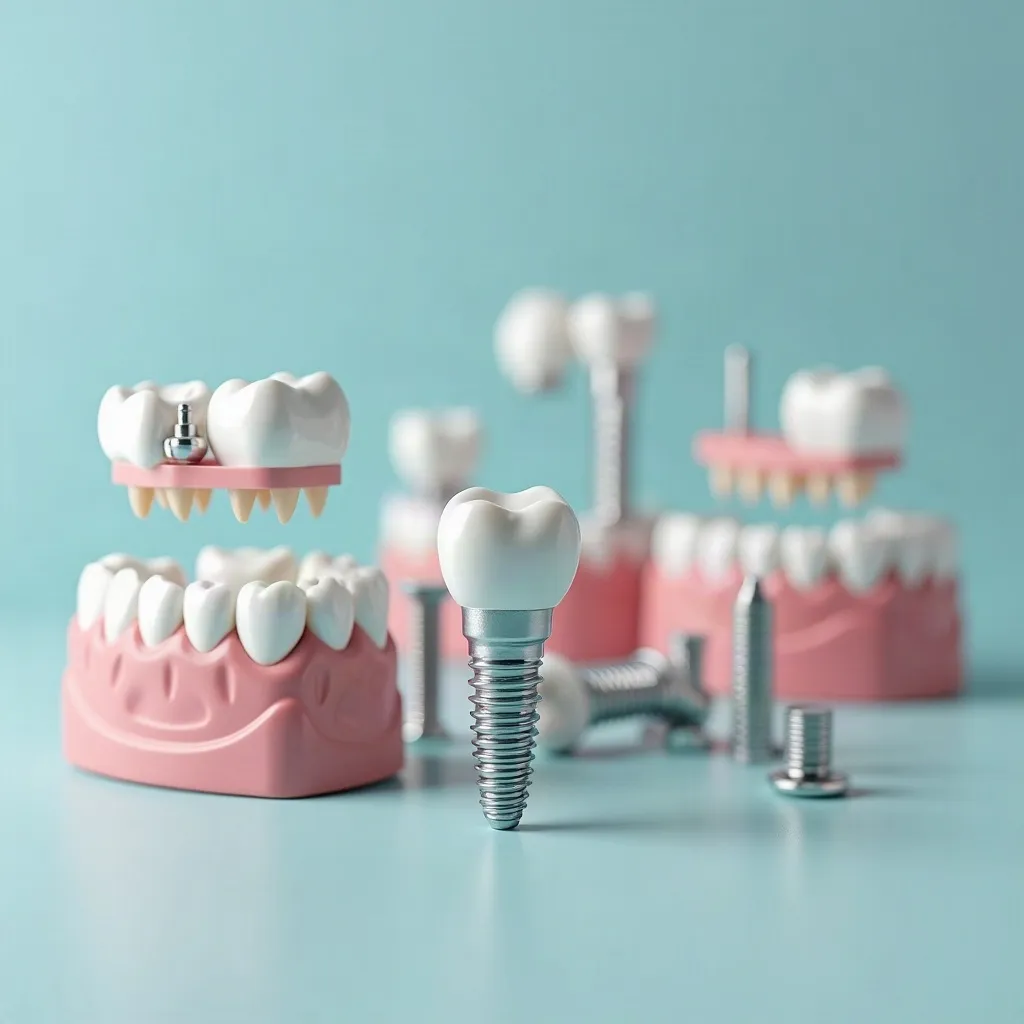
Full arch dental implants offer a comprehensive solution for individuals seeking to renew an entire arch of lacking teeth. This innovative dental procedure involves the installation of a set of implants that act as firm anchors for a full prosthetic arch. Typically, four to six implants are deliberately situated within the jawbone to sustain a personalized span or denture.
In contrast to standard dentures, which can slip and require adhesives, full arch implants offer enhanced stability and functionality. The implants integrate with the jawbone, providing a lifelike feel and appearance. This solution is particularly beneficial for patients who have lost most or all of their teeth and desire a enduring, permanent restoration.
Key Advantages of Full Arch Dental Implants for Your Appearance
The benefits of full arch dental implants go well past cosmetic improvement; they revolutionize the overall dental experience for patients. One of the main benefits is improved functionality. These implants restore the ability to chew and speak with confidence, allowing individuals to enjoy a wider variety of foods.
Furthermore, full arch dental implants help maintain jawbone health by avoiding bone deterioration, a frequent issue following tooth loss. This preservation of bone density promotes a more younger facial appearance.
Patients also enjoy the advantage of full arch implants, as they necessitate less attention compared to traditional dentures. There are no adhesives or removal processes involved, keeping daily routines simpler.
To summarize, the steadiness and ease extended by full arch implants remarkably optimize the quality of life, allowing individuals to focus on social interactions without the worry of dental issues. Overall, these implants provide a holistic solution for those seeking complete tooth restoration.
Approach for Obtaining Full Arch Tooth Replacements
Full arch implants require a sequence of methodically organized procedures that guarantee a positive result. Initially, the dental team performs a thorough consultation, evaluating the patient's dental essential guide condition and particular requirements. The process includes diagnostic imaging, including radiographs or 3D scans, to evaluate bone density and establish the ideal placement of the implants.
Once this assessment is complete, a personalized treatment plan is created, detailing the procedure and timeline. The next phase involves the surgical placement of the implants into the jawbone, often utilizing advanced techniques like All-on-4. After the implants are securely placed, a healing period allows the bone to fuse with the implants, ensuring stability.
After the healing process ends, individually crafted prosthetics are constructed and positioned, supplying functionality and aesthetic appeal. Finally, the dentistry specialists conducts follow-up consultations to monitor progress, making certain the implants serve their purpose efficiently.
Caring for Your Full Arch Artificial Teeth
Maintaining full arch dental implants demands diligent attention to assure lasting quality and peak function. Maintaining proper oral hygiene is crucial; brushing twice a day with a soft-bristled toothbrush and using non-abrasive toothpaste prevents plaque buildup. Flossing or using interdental brushes can effectively clean the areas between implants. Having regular dental check-ups is vital for keeping track of the implants' status and ensuring any problems are addressed swiftly.
Beyond standard care, people should steer clear of difficult-to-chew foods that may harm the dental appliances. Alcohol abuse and smoking can negatively affect the recuperation period and implant longevity, making lifestyle modifications worthwhile. Staying hydrated and sustaining proper nutrition bolster gum health and overall oral hygiene.
Frequently Requested Questions
What Is the Length of Time of Full Arch Dental Implants?
Full arch dental implants endure for 10 to 15 years, and with appropriate maintenance, some may remain even longer. Durability relies on factors including dental hygiene, bone health, and regular dental visits.
Is Complete Arch Implant Insurance Benefits Available Through Insurance?
Full arch implants are frequently partially paid for by coverage, but benefits varies considerably among plans. Patients should consult their individual insurance provider to determine the degree of support for this implant surgery.
Who Can Get Full Arch Dental Implants?
Not all people are eligible candidates for full arch dental implants. Variables such as health status, bone density, and periodontal condition affect eligibility. A dental professional should evaluate each individual's exact circumstances to determine suitability.
What Is the Healing Duration After the Treatment?
Recovery duration after the procedure typically ranges from a few days to several weeks, depending on individual recovery patterns. Patients commonly encounter inflammation and soreness, which usually subsides within a week, allowing slow resumption to normal activities.
Do Complete Arch Implants Demand Specialized Sanitation Tools?
Full arch implants typically do not demand special cleaning tools; however, using softer toothbrushes and non-abrasive cleaners is suggested. Frequent dental appointments and skilled professional cleanings assure proper upkeep and longevity of the implants.
Report this page